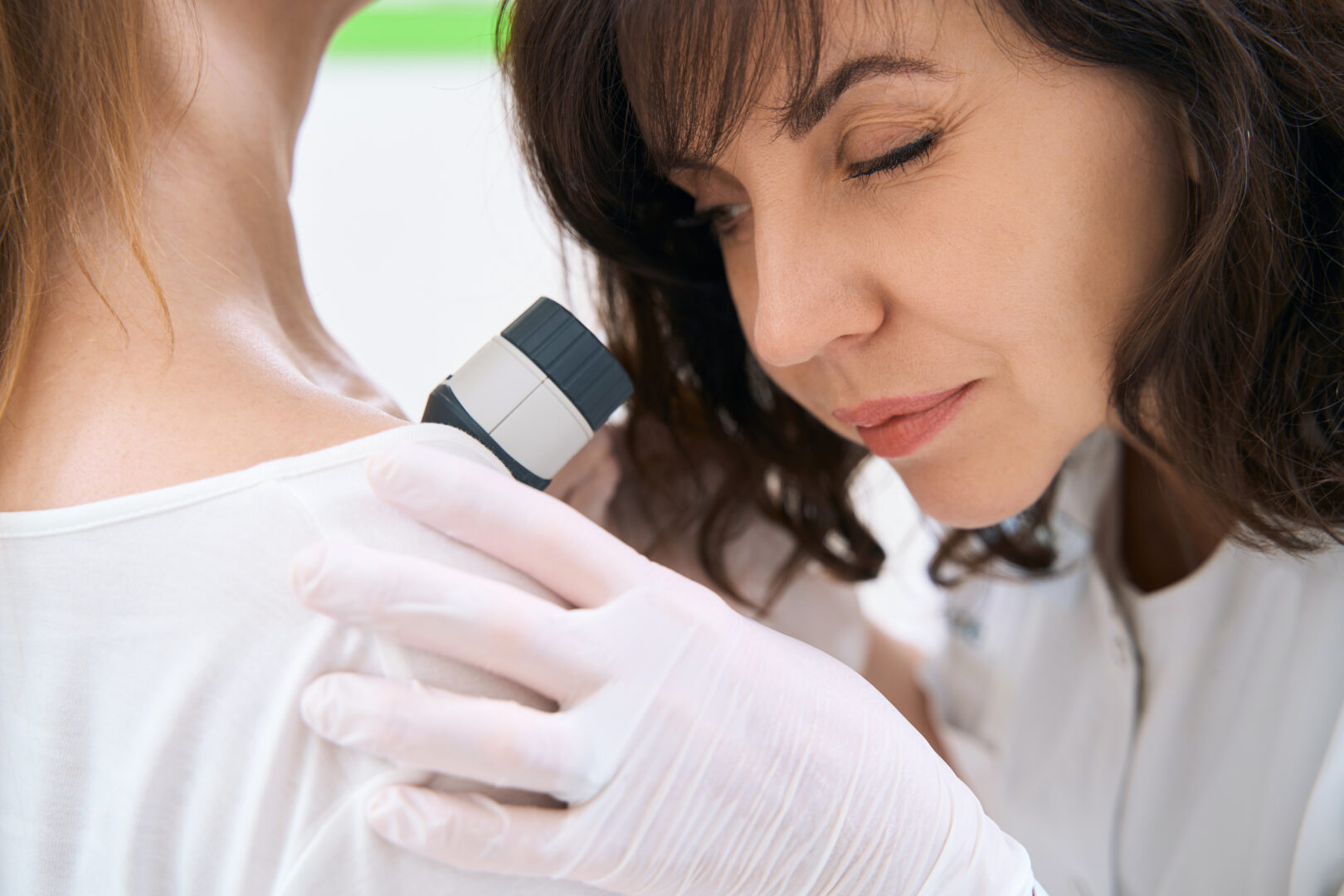
Nutrients that Help Protect the Skin from UV Damage
Ultraviolet (UV) radiation contributes to extrinsic skin aging called photoaging. Research over the past several decades has revealed that a

Ultraviolet (UV) radiation contributes to extrinsic skin aging called photoaging. Research over the past several decades has revealed that a

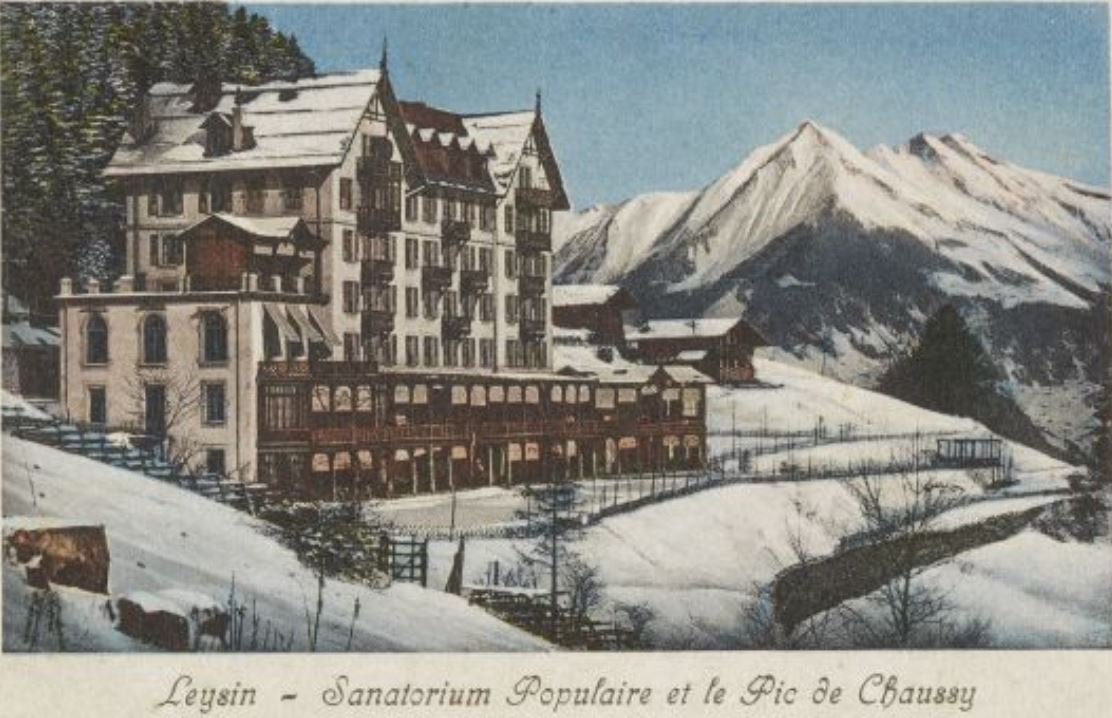
Sanatoria of the 19th and 20th centuries were places where, for the first time in modern history, light began to be treated as an element of therapy. In the era before antibiotics, it was sunlight, fresh air, and carefully designed environmental conditions that formed the foundation of treatment for many diseases, including tuberculosis...

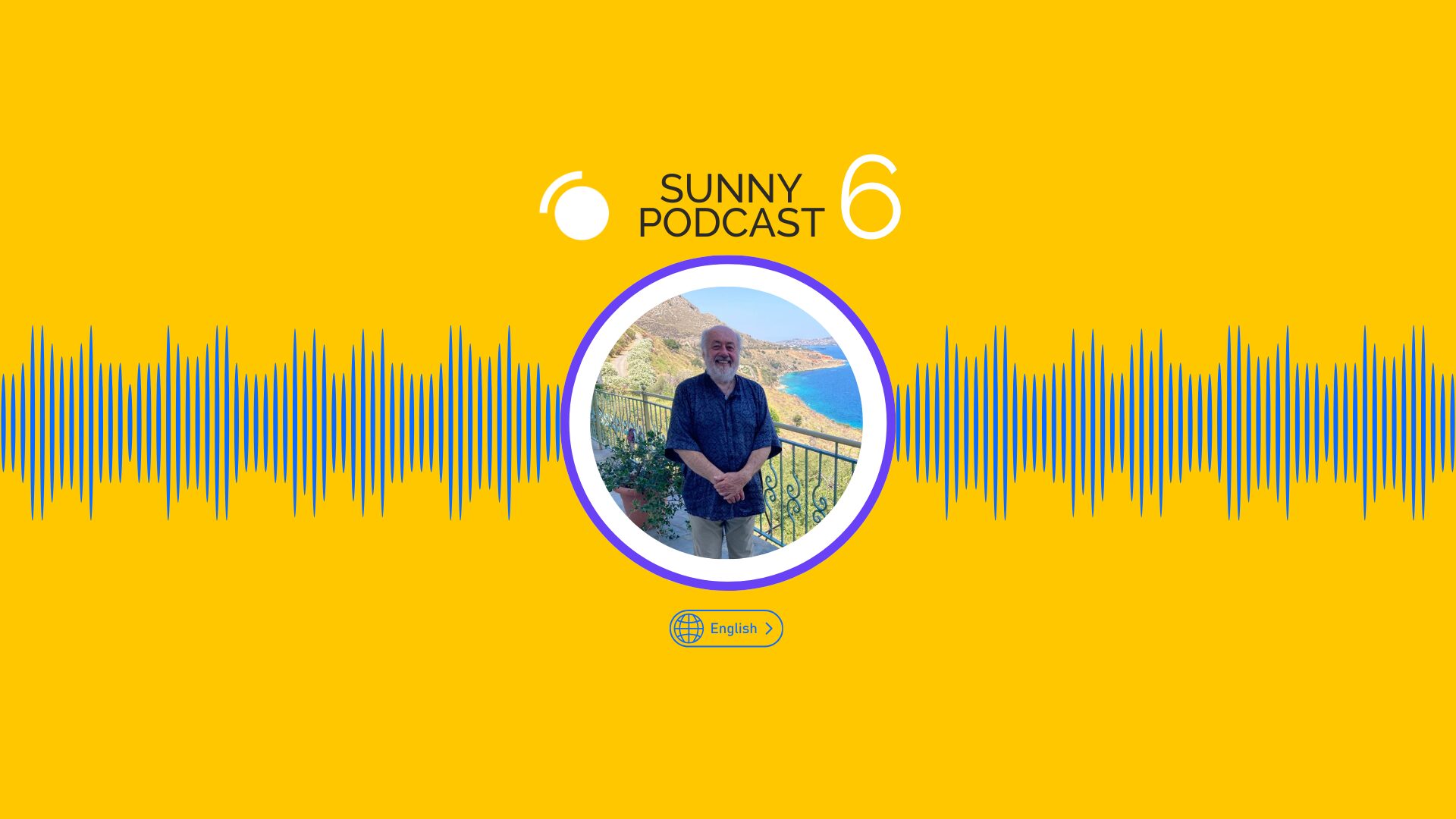
Can light change our chemistry, and with it, our entire life? In the sixth episode of the Sunny Podcast, we welcome Gilles Marin, a teacher of the Taoist tradition and founder of the Chi Nei Tsang Institute. We talk about adrenaline, circadian rhythm, and why just a few minutes of daily light exposure can become the beginning of true regulation.

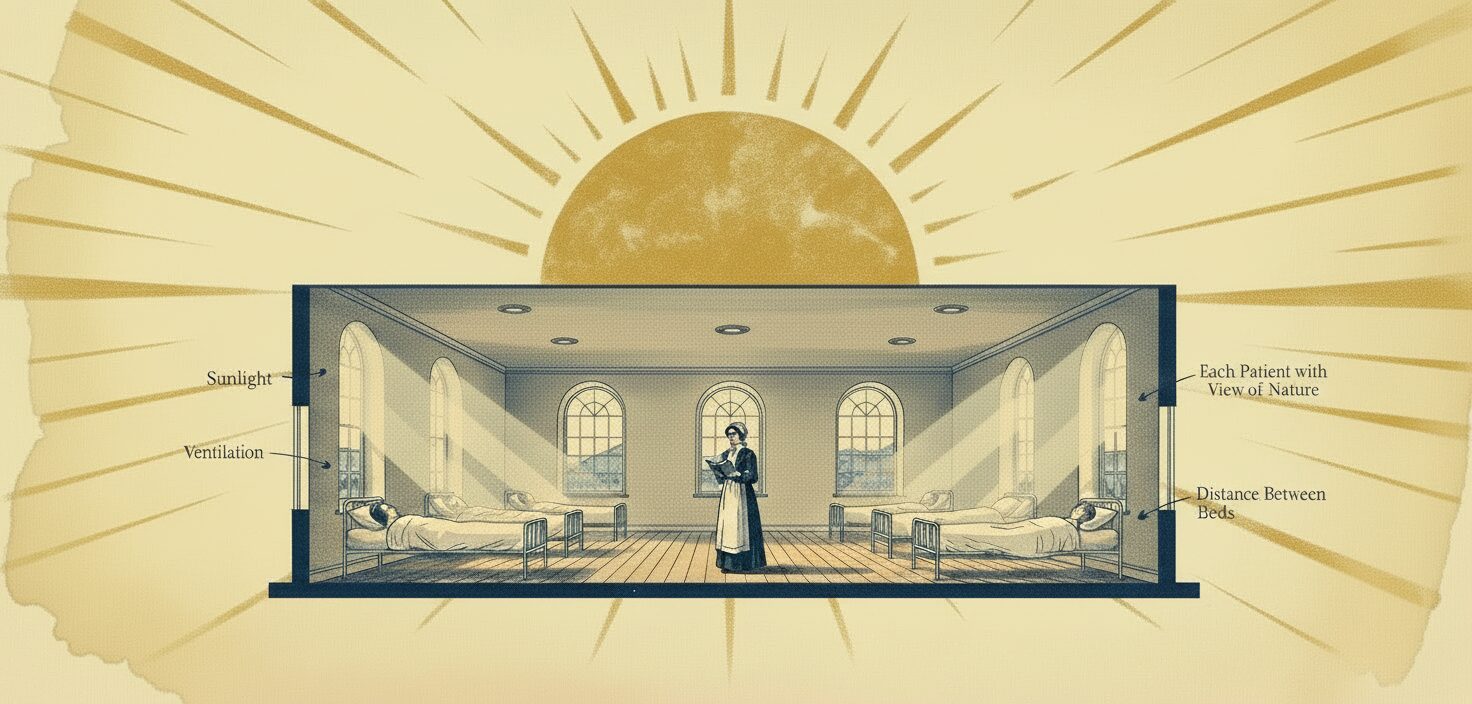
Hospitals are often associated with technology and sterility, but what if the most powerful medicine is still nature itself? More

In recent decades, the narrative surrounding ultraviolet (UV) exposure has been dominated by fear, primarily in the context of skin cancer. While the risks associated with excessive exposure are real and well documented, a growing body of scientific evidence shows that the problem is not the sun itself, but how we use it.

Is a lack of sunlight merely a seasonal discomfort, or rather a measurable public health issue? Suicide statistics have long revealed a paradox: the highest rates occur not in winter, but in spring.

What supports women’s health during pregnancy and long after? In this episode of the Sunny Podcast, I talk with Jen Aliano from GrassrootsHealth about vitamin D, sunlight, and key nutrients that play an essential role in the health of mothers and children. It’s a conversation about simple biological foundations that are often overlooked in everyday healthcare.

Sunlight is not merely an environmental factor or a simple “stimulus,” but a precise biological signal that regulates circadian rhythms, hormonal activity, metabolism, and regeneration.

Oxidative stress does not arise suddenly or as the result of a single factor. It is a process linked to the everyday functioning of cells, mitochondrial activity, and the balance between physiological load and recovery. In this article, we take an accessible look at how these mechanisms work and why it is worth viewing them within a broader context.

For millennia, the Sun has shaped the rhythm of life and health. In traditional medicine, it functioned as a natural “clock of life,” regulating activity, rest, and bodily balance. Today, science confirms that without light, neither our circadian rhythm nor mental well-being can function properly.

In the latest episode of the Sunny Podcast, I speak with Dr. Anita Wasik – a scientist, herbalist and therapist who sees health as part of a larger ecosystem: the sun, soil, plants, and the human body.

Recently on the Sun for Life blog, we explored the history of light in medicine and the Asclepieia, places where light, nature and the rhythm of the day supported healing. Today, I invite you to one of them: Lissos on Crete.