Notes from the Sunny Island #5 – Lissos – A Place of Light, Silence and Regeneration

Recently on the Sun for Life blog, we explored the history of light in medicine and the role of Asclepieia, places where light, nature and the rhythm of the day supported the process of healing.

Today, I would like to invite you to one of these places: Lissos on Crete. This is a short story about ancient spaces of healing, a personal experience of place, and how light, silence and natural rhythm can still help us restore balance.

Introduction

Recently on the Sun for Life blog, we returned to the forgotten history of light in medicine and to the Asclepieia, ancient places of healing where light, nature and the rhythm of the day were an integral part of regeneration. For me, this history is not merely a story from the past, but something that can still be experienced in a very personal way.

That is why today I would like to pause at one specific place: Lissos, a former Asclepieion located on the south-western coast of Crete. It is less known than Epidaurus or Kos, yet deeply moving.

In antiquity, Lissos was a space for healing, rest and the restoration of balance, designed in close relationship with light, landscape and the natural rhythm of the day.

Asclepieia such as Lissos were not only temples, but also therapeutic environments. From this tradition comes the symbol of healing that we still see today in the logos of pharmacies and medical institutions: the Rod of Asclepius, entwined with a serpent, a sign of regeneration and renewal. This symbol reminds us that healing was once understood as a process, a journey and a time needed to restore balance, rather than a rapid intervention.

I therefore felt it was worth sharing my own experience of Lissos, not only as a historical site, but as a place that can still be visited today, seen with one’s own eyes and felt in the body. A place that invites personal discovery, slowing down and meeting light in a very simple, natural way.

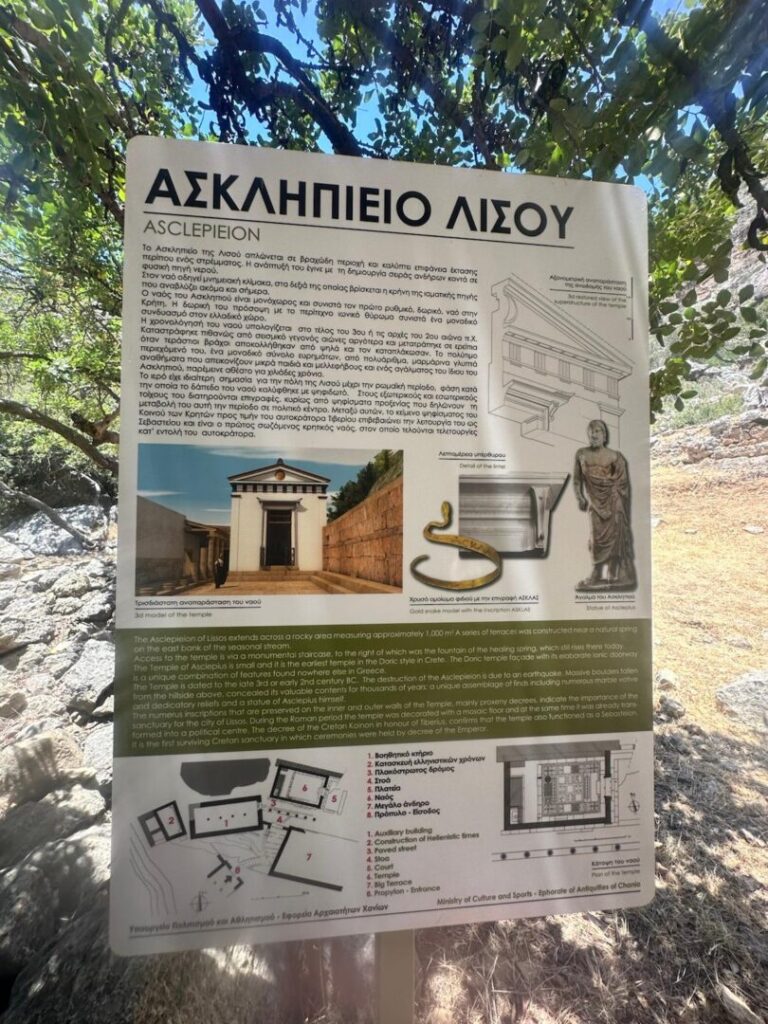
lissos information board

Asclepieion as a space of ancient healing

Asclepieia, sanctuaries dedicated to Asclepius, were among the first organised places of healing in Europe in which the environment itself played a key therapeutic role. They were deliberately located in well-sunlit and airy settings, close to natural water sources and landscapes, and away from the noise of cities. Their architecture was based on open courtyards, porticoes and walking spaces that allowed for prolonged exposure to daylight.

Treatment included movement, rest, silence, contact with nature and a healing sleep known as incubatio. Although the ancients were not familiar with concepts such as circadian rhythms or photobiology, the practice of the Asclepieia shows that light was treated as an integral element of regeneration, not merely as a background to healing. One such place was Lissos.

Symbol of healing: the origin of the pharmacy sign

The symbol of medicine that still appears in the logos of many pharmacies today, a staff entwined with a serpent, originates directly from the cult of Asclepius. The serpent, which sheds its skin, was a sign of renewal and regeneration, while the staff itself symbolised the path and support involved in the healing process.

This symbol was inseparably linked to the Asclepieia, where healing was understood as a process unfolding over time, supported by environment, light, movement and sleep. This is why the symbol has endured for thousands of years and continues to function as a universal sign of medicine and pharmacy, even though its original, deeply light-related meaning is often forgotten.

The journey to Lissos: at our own rhythm

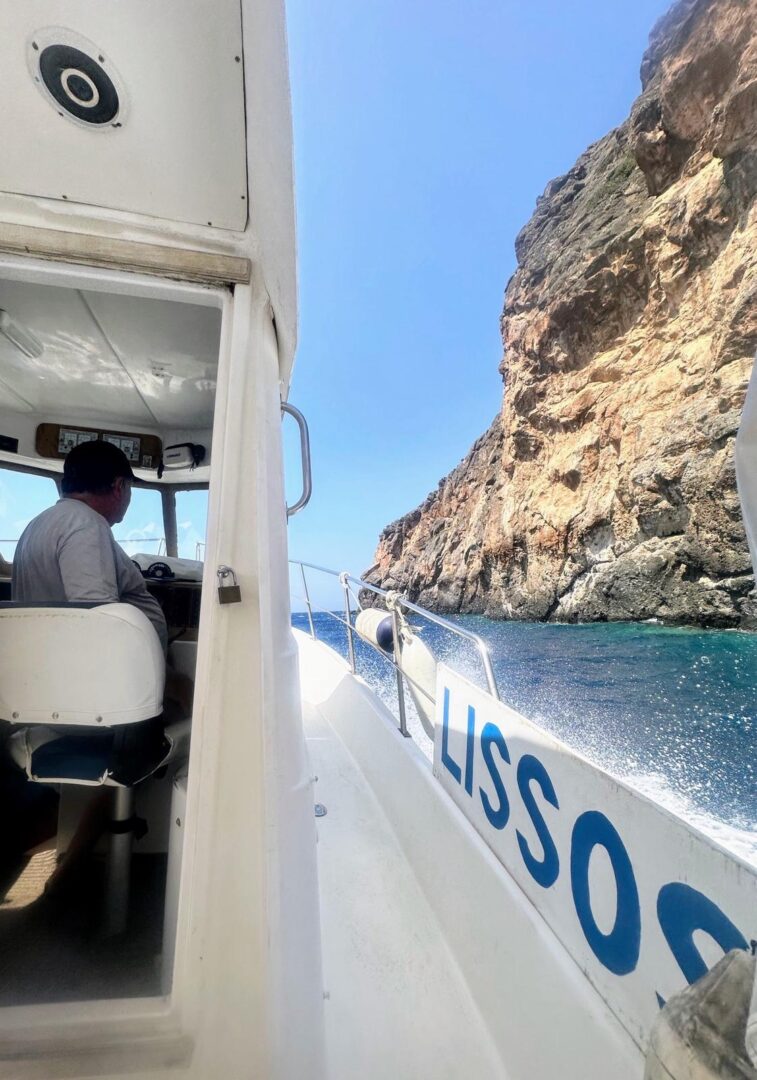
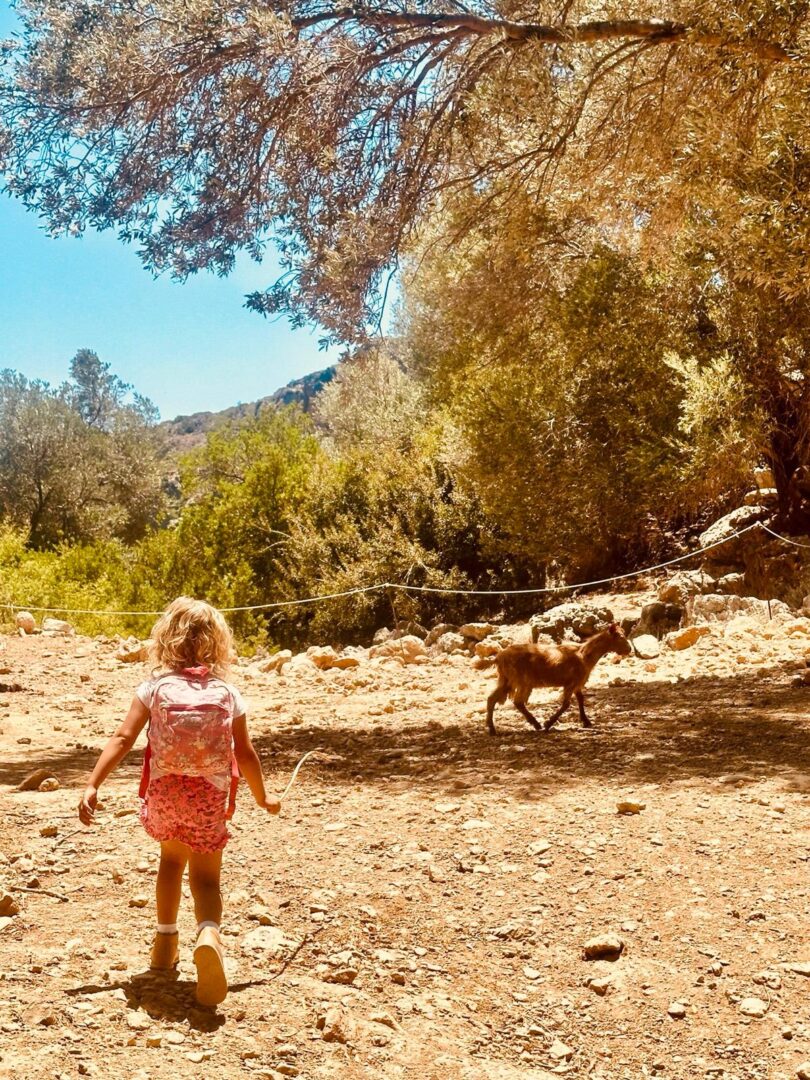
While a group of friends made their way on foot through the gorge, I travelled to Lissos by boat from Sougia, together with my children. It was a different kind of journey, calmer and adjusted to our rhythm. Instead of a long hike, there was the sound of water, sunlight reflecting on the waves, and the feeling that the journey itself was already part of the experience.

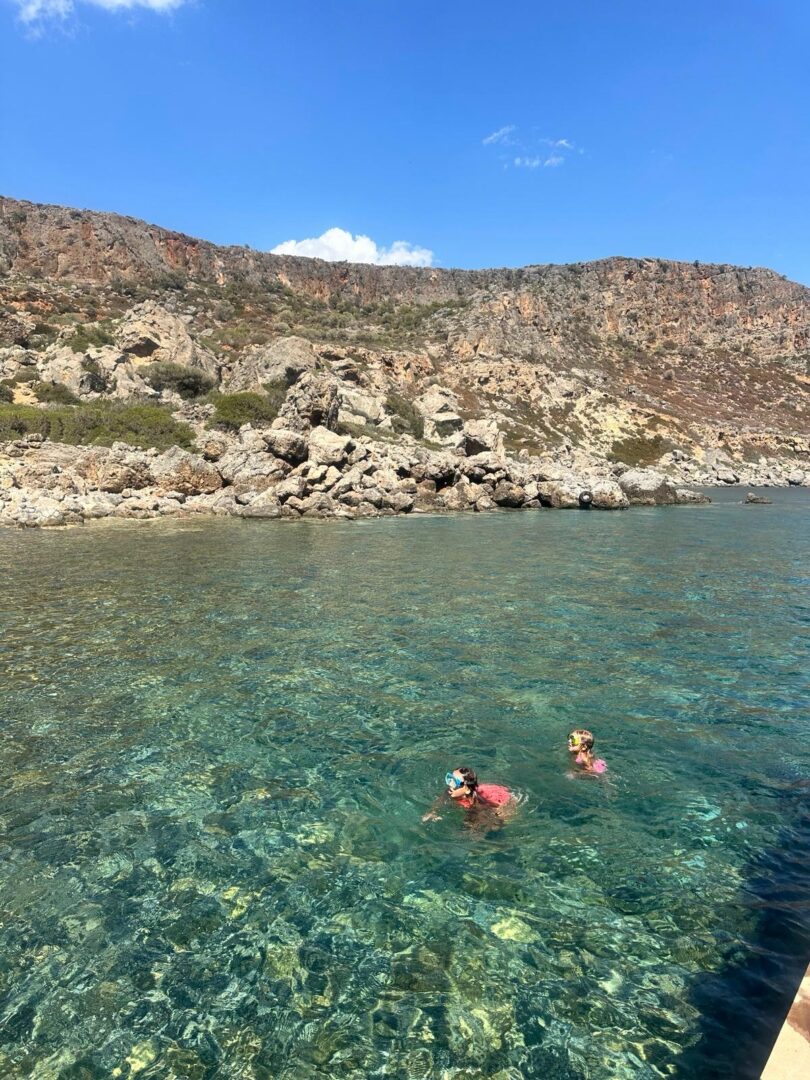
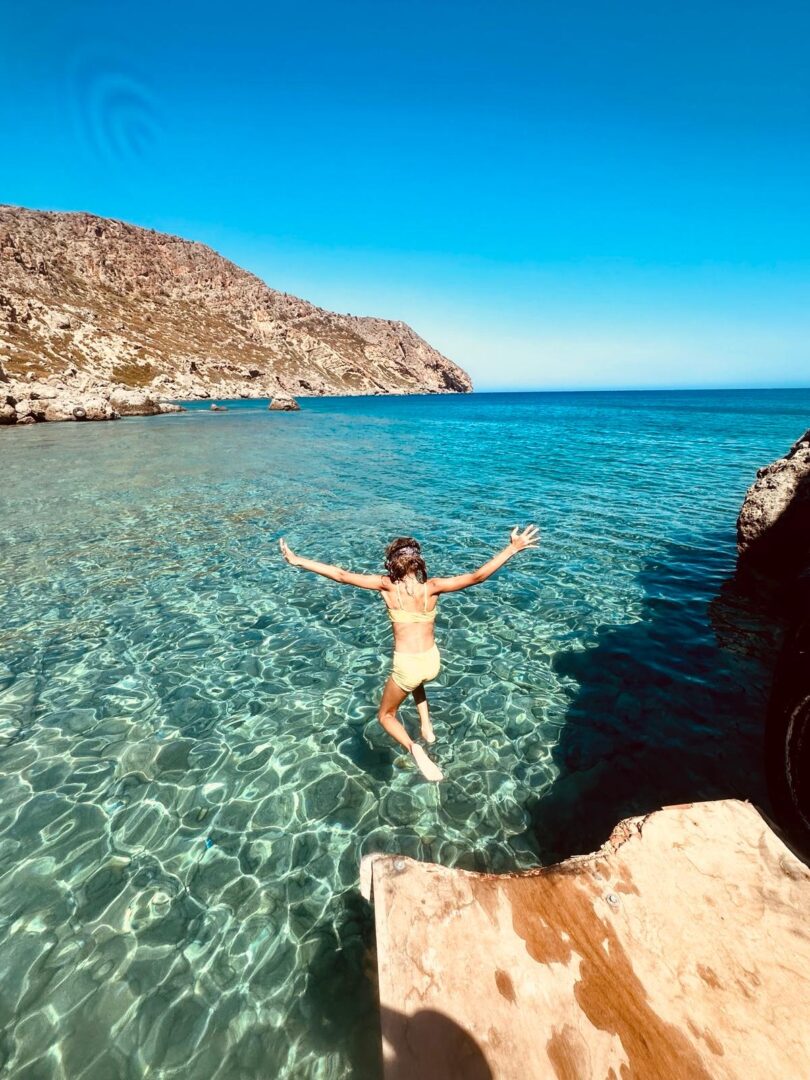
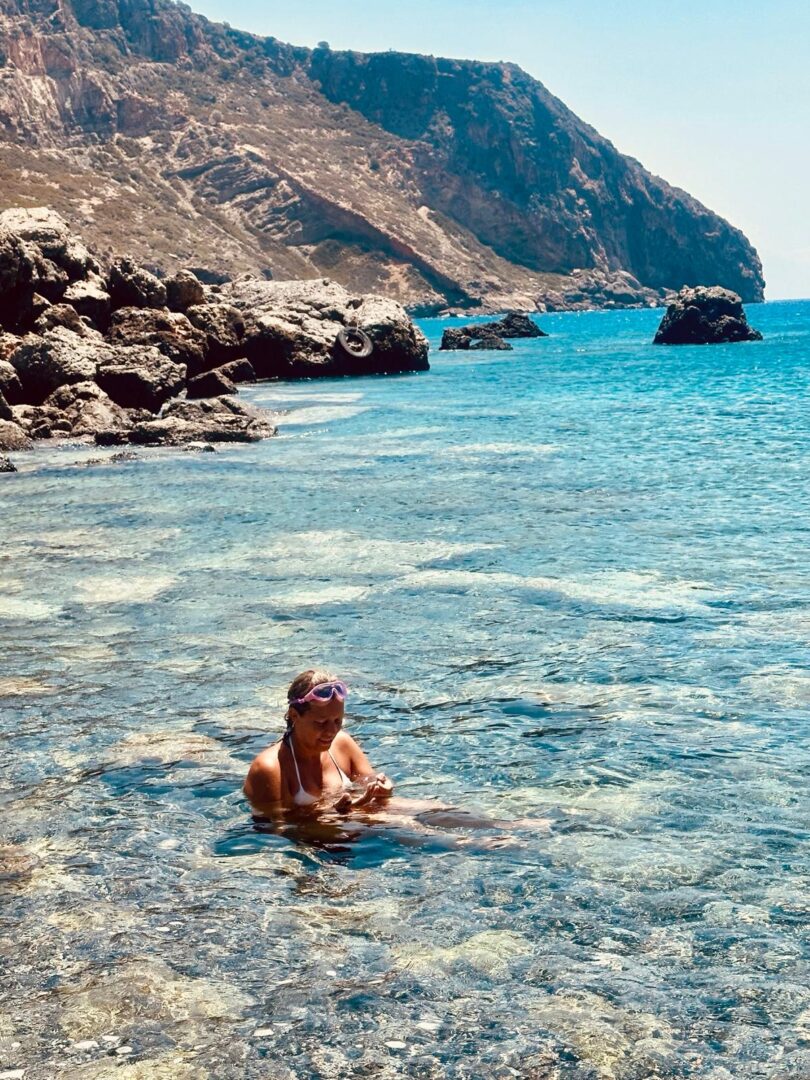
Once we arrived, there was no plan and no pressure. There were moments in crystal-clear water, children’s laughter, diving in and out, and watching the seabed, visible as if through glass. The water in Lissos is quiet and sheltered, almost still, as if created to allow the body to relax without effort.

Watching my children play in the water, I felt that regeneration in this place comes naturally. Light, water, movement and joy, exactly the same elements that have been part of healing practices for centuries.

Lissos as a space of ancient healing

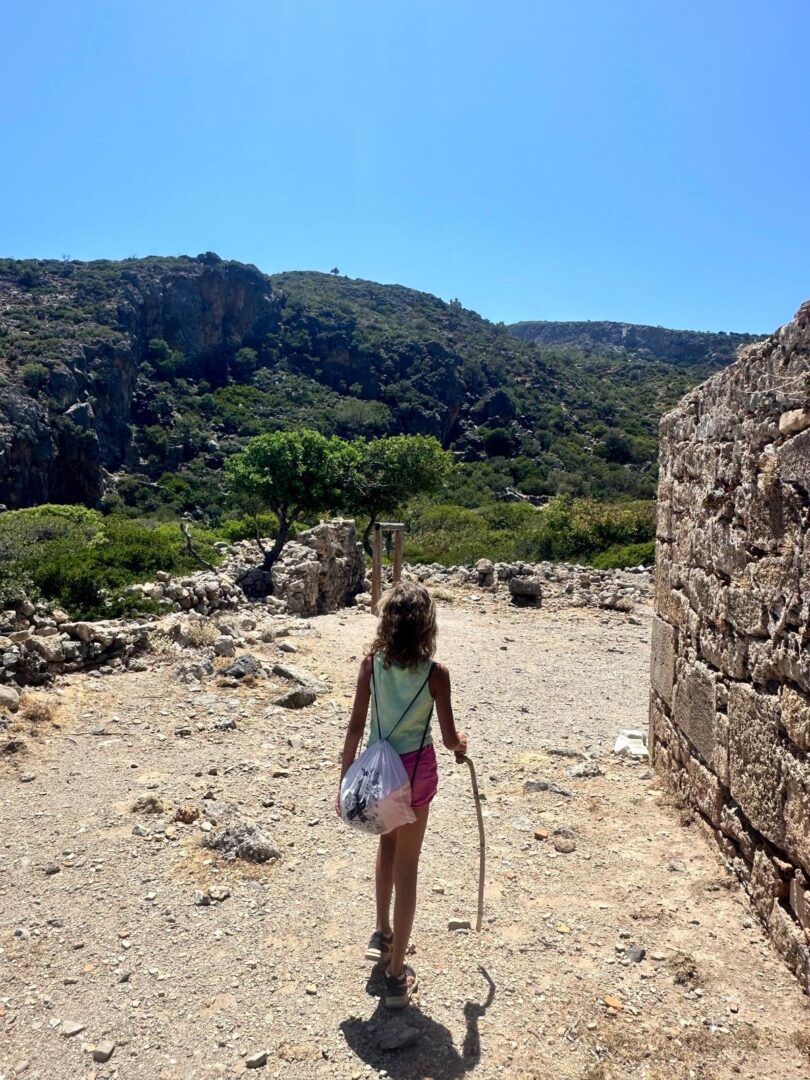
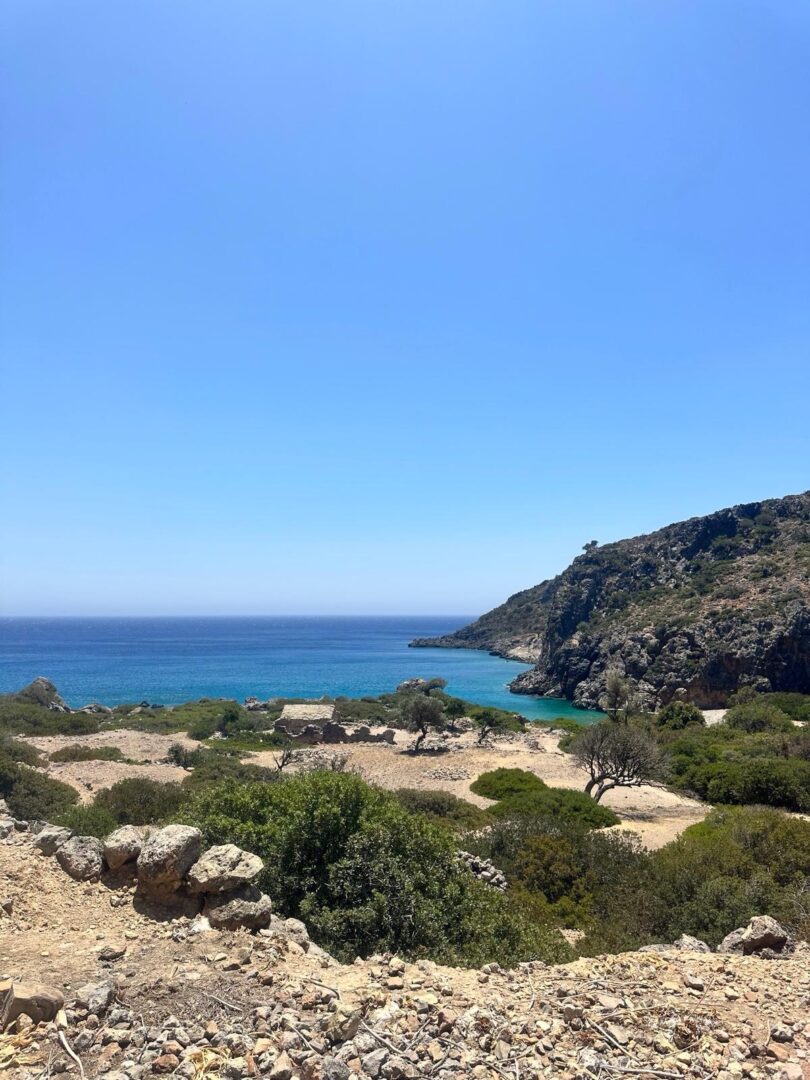
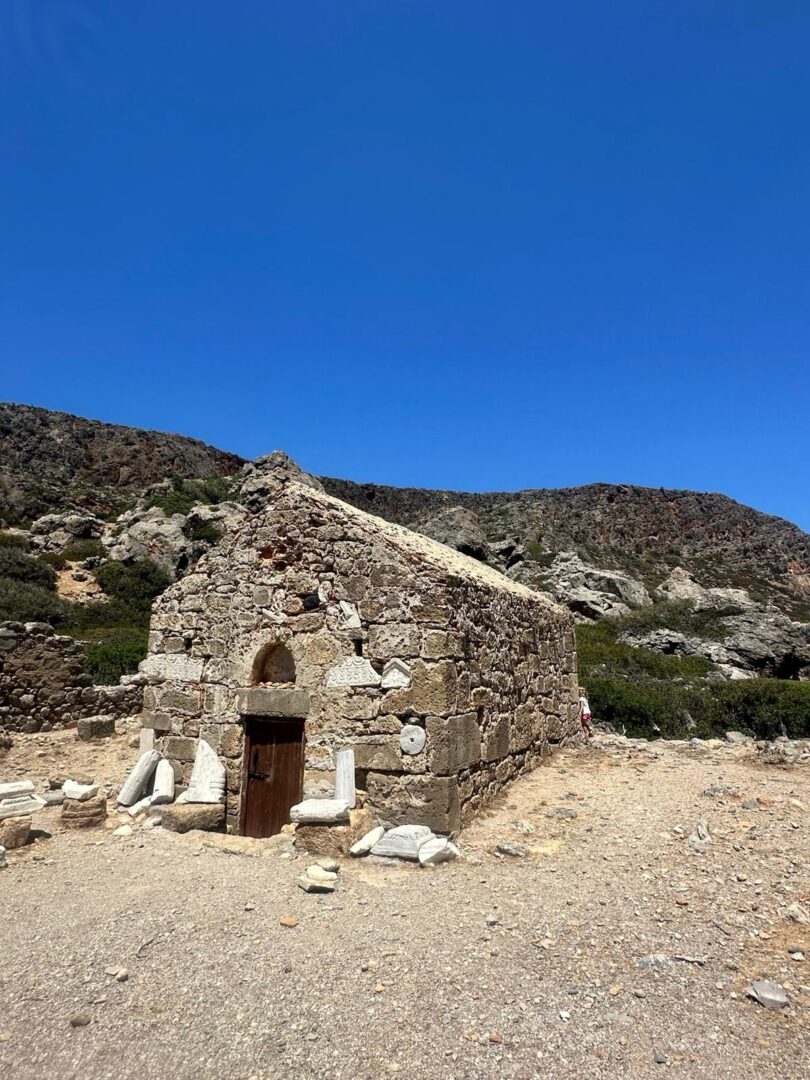
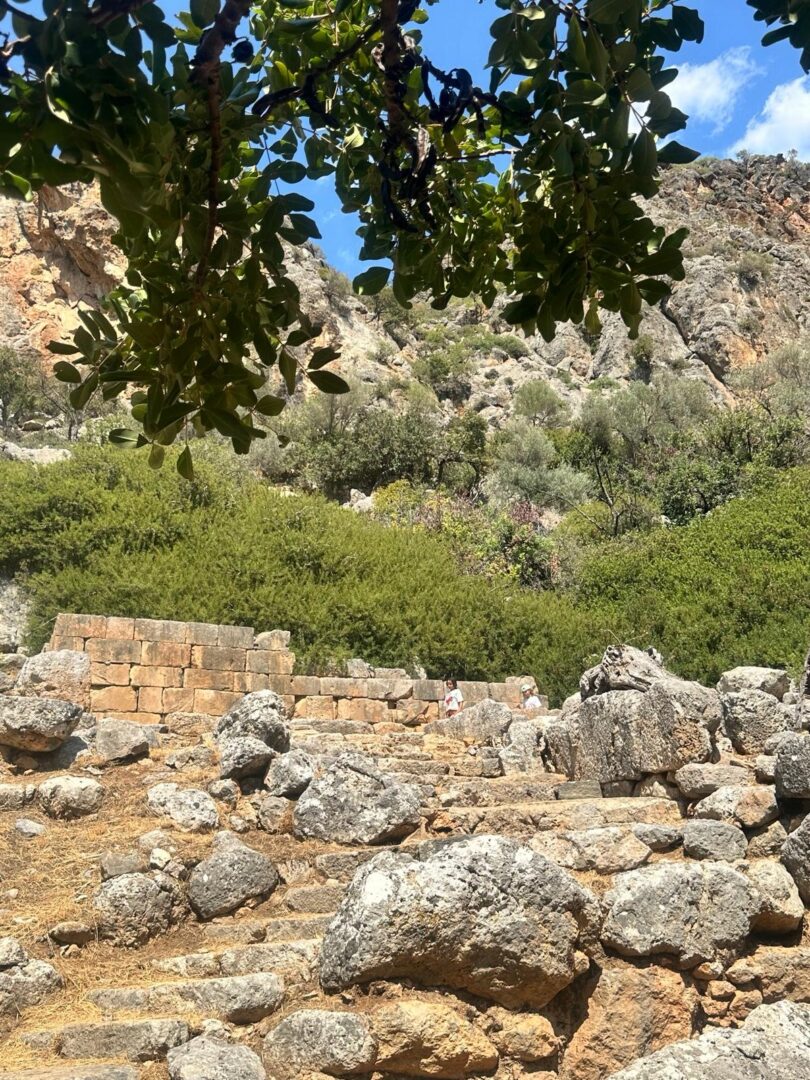
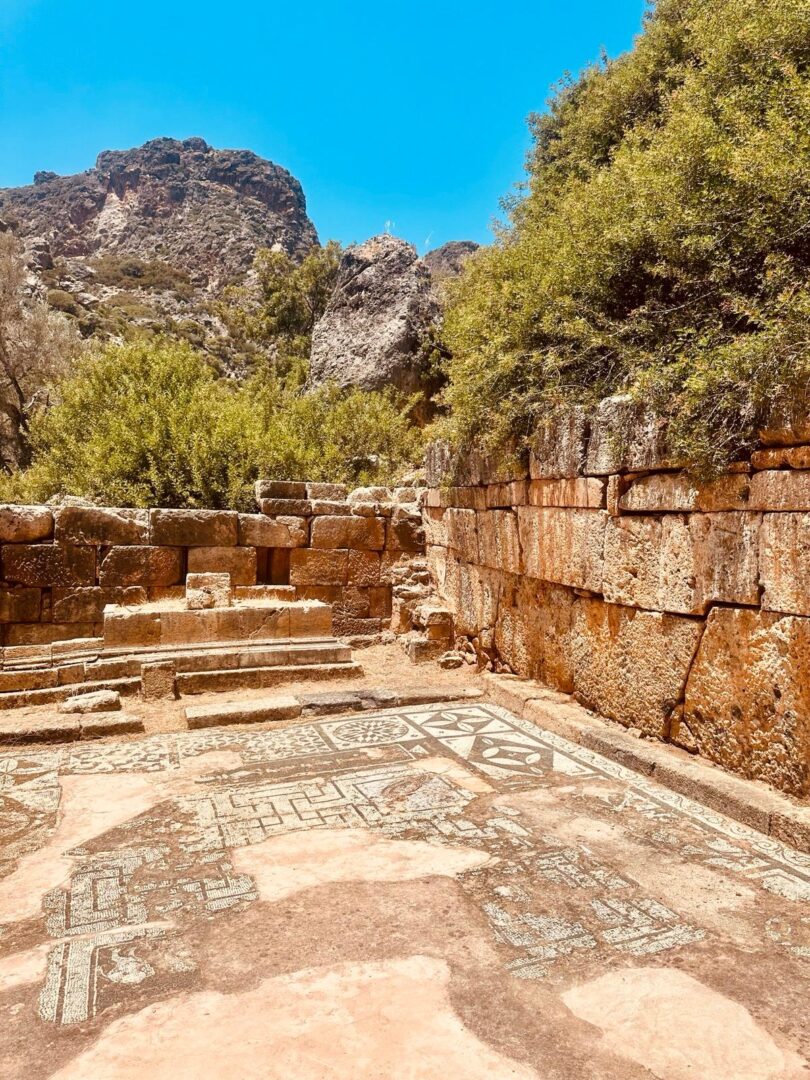
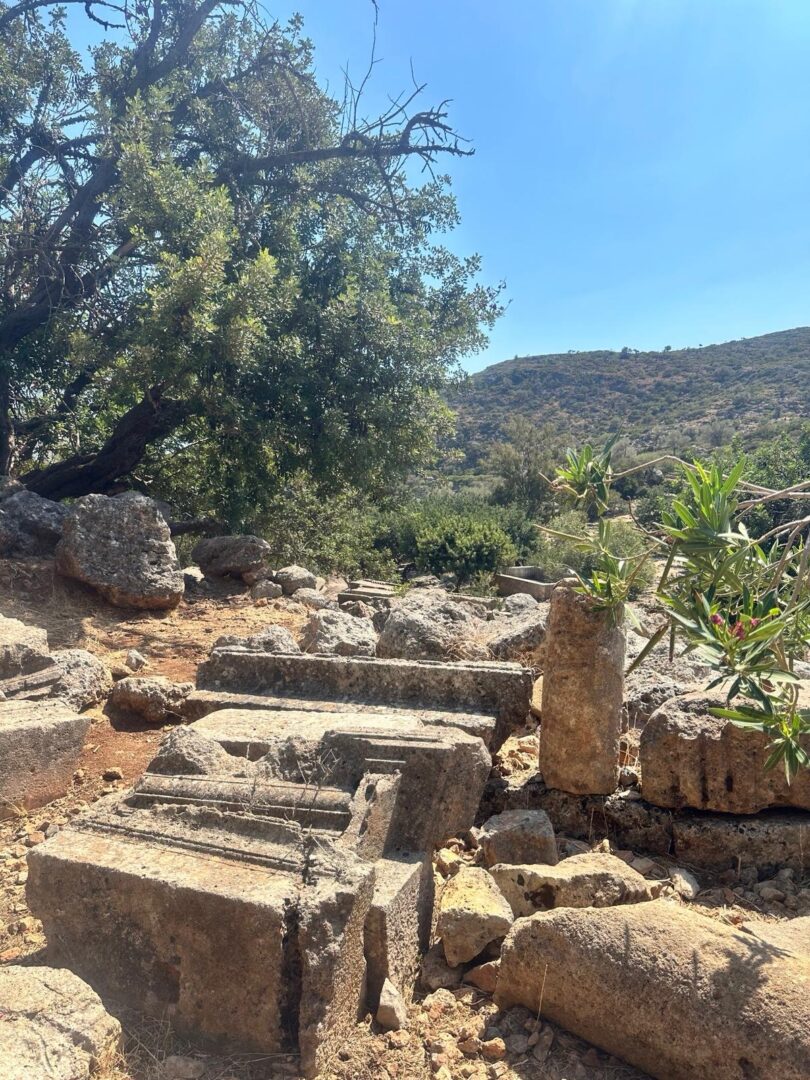
Today, Lissos is a site of ruins, yet it is far from lifeless. The place lies in a natural bay, sheltered by hills, open to light and at the same time protected from the wind. In Lissos, there was an Asclepieion where healing was understood as a process rather than a single intervention. Architecture did not dominate the landscape; instead, it worked with it, creating an environment that supported regeneration.

My experience of Lissos

For me, Lissos is not just a subject for an article. It is a place where a sense of inner stillness appears almost immediately. Today, Lissos remains one of my most beautiful memories, a place I return to in my thoughts whenever I miss the sun. It is my personal place of power, because it carries a feeling that everything there is in balance.

The spiral, darkness and the moment of returning to the light

The days are becoming shorter now. There is less and less light. We are approaching the winter solstice, the moment when the night reaches its greatest length. We are at the very end of the cycle.

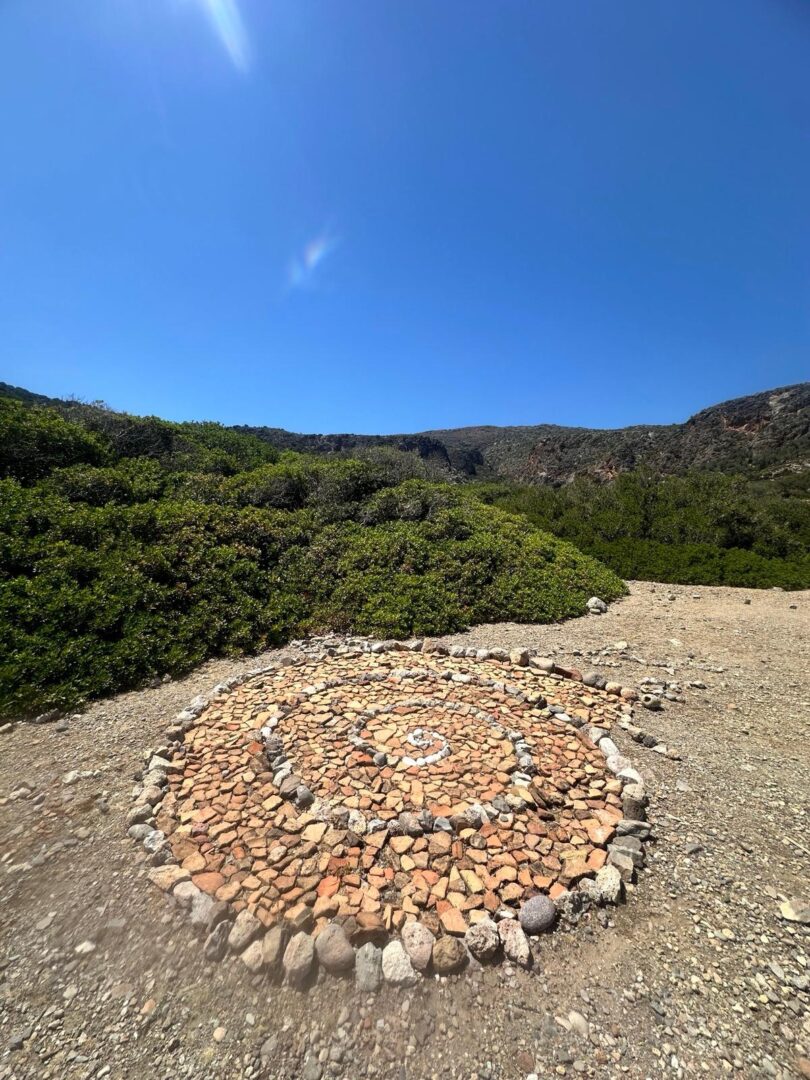
Looking at the spiral that I saw and photographed in Lissos, it is hard not to think of this rhythm. The spiral appears in nature, in the symbolism of ancient cultures and in places of healing. It is a sign of the path leading inward, and of the path that leads outward again, towards the light.

Today, I return to Lissos not only as a historical example, but as a very personal point of reference. Darkness is not the end. It is part of the journey.

Soon, we will begin to move towards the light again. Just as people have done for thousands of years. Just as the spiral movement of nature reminds us, in history, in the body and within ourselves.
“Notes from the Sunny Island” is my personal series from Crete, where everyday life, light and history meet the science of health, life rhythms and regeneration.
~ Ania Draus

Explore More...