The Sunny Side of the Hill: Hippocrates and the Beginnings of Light-Based Medicine
In ancient Greece and Rome, light was considered one of the pillars of healthy living. Hippocrates, the father of medicine, described the influence of sunlight and environment on human health in his treatise Airs, Waters, Places. He noted that a person’s place of residence, including its orientation, exposure to sunlight, and openness to the east, had a direct impact on strength and vitality.
“For cities which lie to the east and are exposed to hot winds and the rising sun, their inhabitants must be vigorous and healthy.” (Hippocrates, Airs, Waters, Places, §3)
This is one of the earliest recorded observations on the health benefits of daylight, especially the rising sun. In the preceding section of the treatise, Hippocrates emphasises:
“One must also consider the influence of the seasons and of the winds, and of the rising and setting of the sun, for these change the humours greatly.” (Airs, Waters, Places, §2)
These passages show that sunlight, particularly sunrise and sunset, was for Hippocrates a fundamental element of environmental health. He did not yet know the biology of light or circadian rhythms, but he intuitively understood that people who lived on the side of the world open to daylight were stronger, healthier, and recovered more quickly.
Temples, healing sanctuaries, baths, and gymnasia were built to capture as much natural light as possible. Heliotherapy was part of daily life, even though no one used that term yet.
The Asklepieia: the first European “clinics of light”
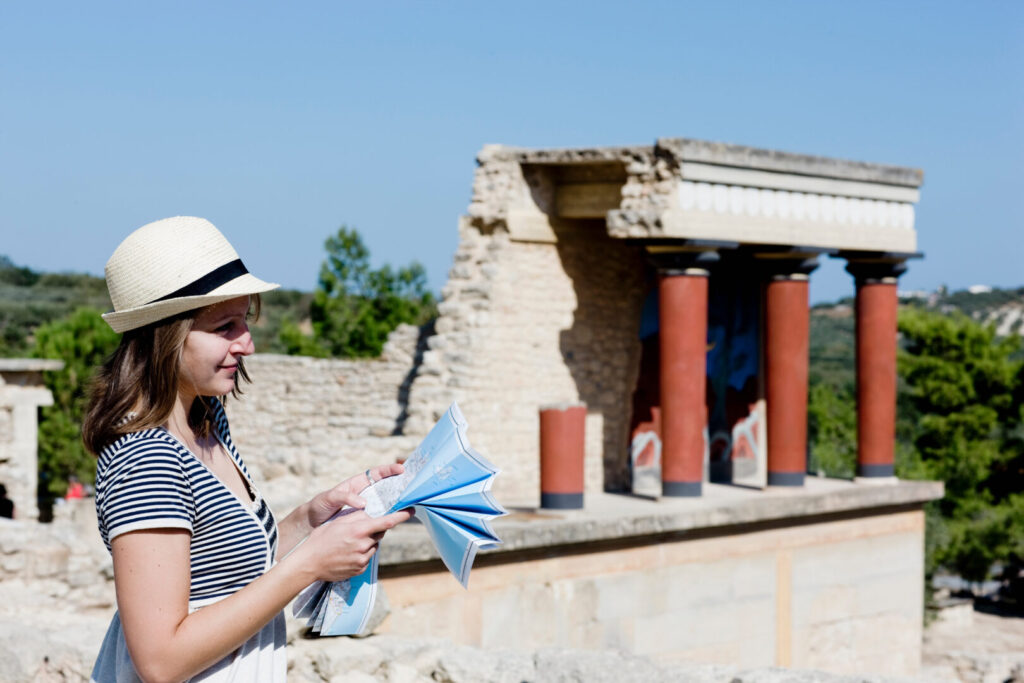
When we visit the ruins of the Asklepieia in Epidauros, Kos, or Lissos on Crete, we do not see only stones. We see a healing philosophy that in many ways resembles modern health resorts.
From Asclepius: Collection and Interpretation of the Testimonies, we know that the sanctuaries were:
• built in sunny, airy, nature-rich environments (Sanctuaries: T. 707–713),
• designed with wide porticoes (stoai) where patients could walk in daylight,
• conceived as spaces of quiet, light, and regeneration, focused not on fighting disease but on restoring balance.
Patients spent their days in bright courtyards and gardens, surrounded by greenery and stone. Walking, described in numerous testimonies (Healing, T. 392–432), was part of the therapy, just as daylight exposure is recommended today in the treatment of circadian rhythm disorders.
The most remarkable part of the healing process was incubatio, a therapeutic sleep performed inside the temple. Body and mind were prepared for it through cleansing rituals, daylight walks, silence, and contact with nature. The testimonies (Temple Medicine, T. 382–442) describe this sleep as a tool of regeneration.
Today, we would say: circadian realignment, stress reduction, improved function of the nervous system. These are the foundations of modern chronobiology.
The symbolism is not accidental. Asclepius, the god of medicine, is the son of Apollo, the god of light. In artistic representations (Images, T. 624–706), light symbolises health, equilibrium, and inner clarity.
All of this makes the Asklepieia the first “clinics of light” in European history, places where architecture, nature, and the rhythm of the day worked together to support healing and restoration.
The Romans: between sunlight and the hygiene of life
The Romans adopted many elements of Greek environmental medicine and developed them on a scale never seen before. In their villas and bath complexes, they created solaria, designated spaces for sunbathing. Sunlight was believed to strengthen the body, improve mood, support the treatment of skin conditions, and help restore balance after periods of fatigue or illness.
In the medical writings of the time, such as Celsus’s De Medicina and the works of Galen, we find recommendations for moderate sun exposure as part of convalescence. Light was used alongside exercise, massage, and bathing as a component of holistic health care.
Roman architects, including Vitruvius, emphasised the importance of orienting buildings toward the sun. Bath complexes were designed with courtyards opened to the south, ensuring natural light in spaces dedicated to rest and regeneration. For the Romans, light was not only a symbol of life but a practical element of hygiene, health, and daily well-being.
This solar infrastructure shows that the understanding of light as an ally of health did not disappear after the era of the Greeks. On the contrary, it became embedded in everyday life, architecture, and public health practices.
Why does this history matter today?
Because modern science is only now confirming what ancient cultures observed for millennia.
Sunlight:
• synchronises our circadian rhythm,
• supports immunity,
• improves mood,
• reduces stress,
• stimulates tissue regeneration.
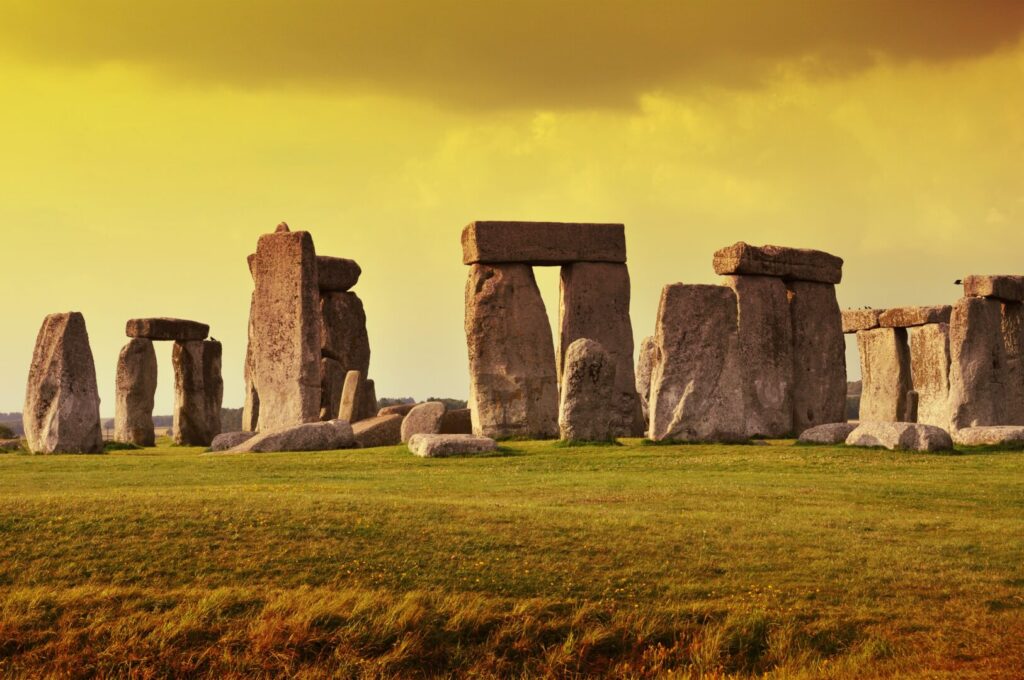
Ancient cultures, from the builders of Stonehenge to Greek physicians, understood that life thrives in light. Today, when we spend most of our time in enclosed, dim environments, this knowledge becomes relevant again.
The history of sunlight in medicine begins much earlier than we might imagine. And we are only just beginning to read it again.
What comes next in the series?
Today’s journey took us to the earliest traces of light-based healing, from megalithic observatories to Greek sanctuaries where architecture, nature, and daylight formed a unified landscape of regeneration.
In the next parts of our series, we will explore in more detail:
- Florence Nightingale, and the role of light in the birth of modern hospital medicine,
- Swiss heliotherapy sanatoria, their remarkable protocols and the famous “beds in the snow”,
- Niels Finsen, pioneer of scientific phototherapy and Nobel laureate,
- The Wolff brothers, the origins of modern sunbeds and their original health-focused intention,
- The decline of heliotherapy, why light disappeared from mainstream medicine after World War II,
- Modern photobiology, and how current science is rediscovering the influence of light on circadian rhythms, immunity, heart health, and mental well-being.
Sunlight has accompanied medicine for thousands of years, and we are only beginning to tell its story again.